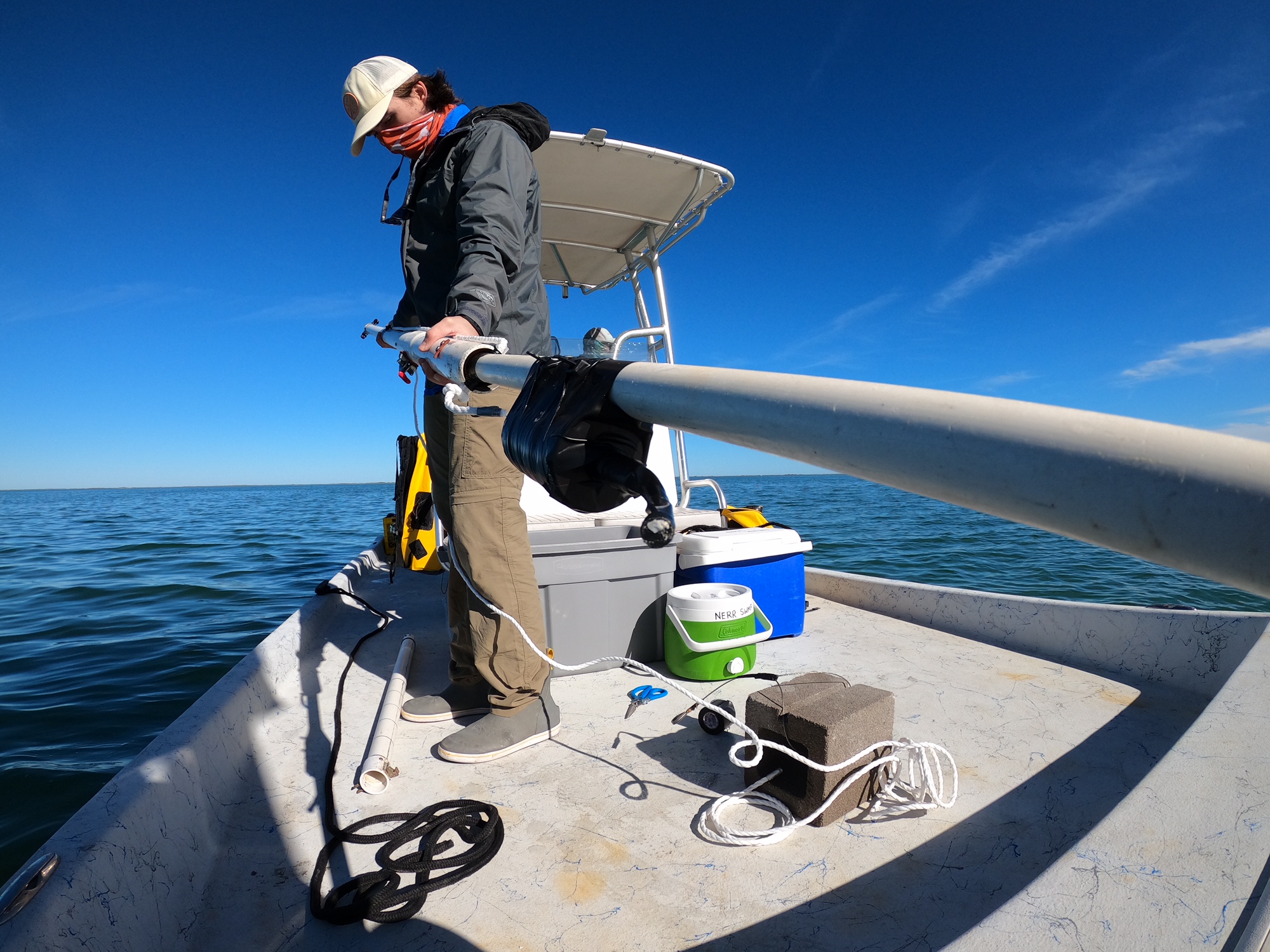
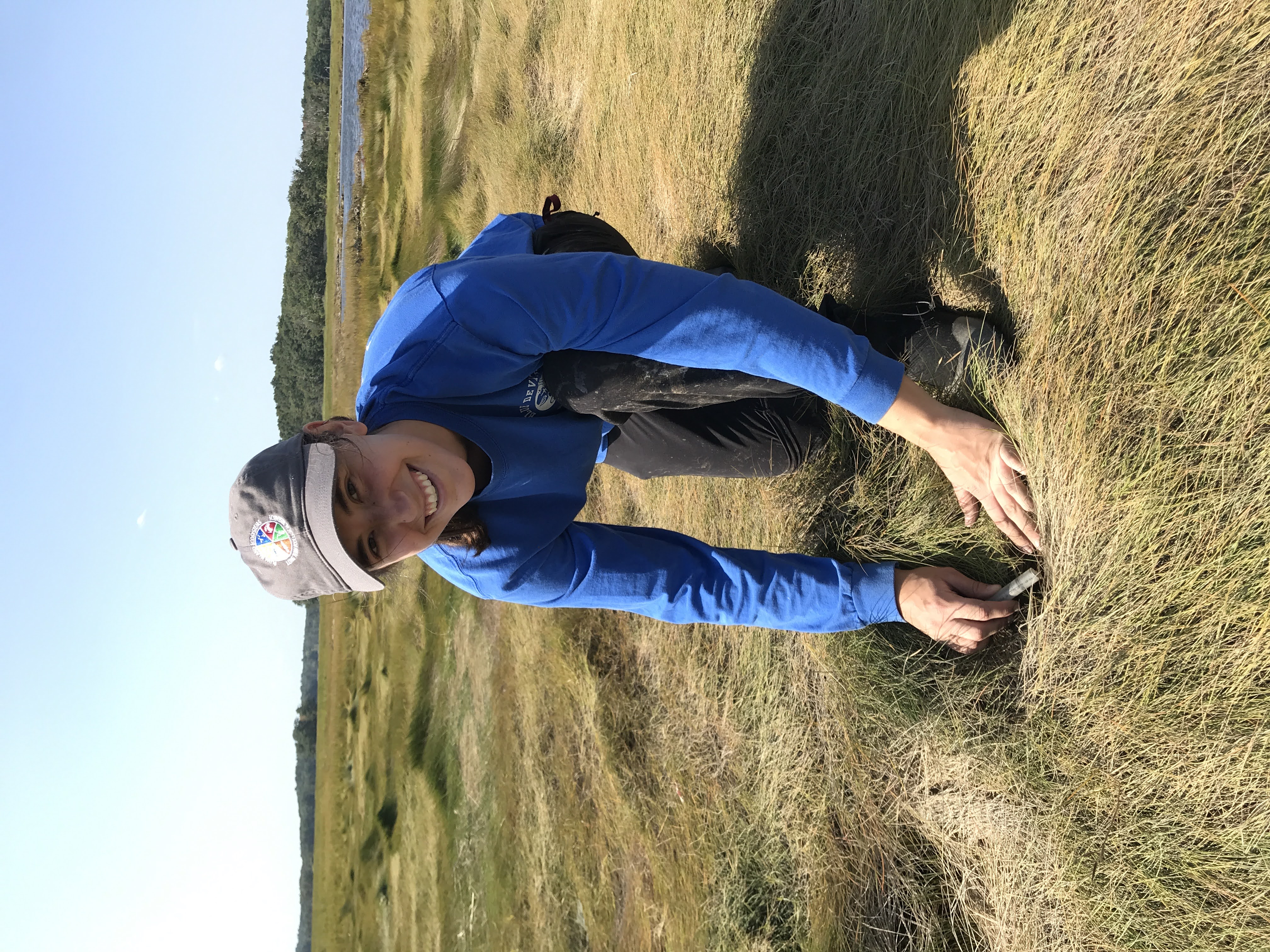
NOAA, in coordination with the University of Michigan Water Center, is excited to announce that we are now accepting applications for the 2027–2029 cohort of the Margaret A. Davidson Graduate Fellowship. This opportunity supports graduate students conducting collaborative research at National Estuarine Research Reserves across the country.
This is an exciting two-year fellowship program that provides the opportunity for graduate students to conduct collaborative research at one of the 30 national estuarine research reserves.
Through a research project, fellows address a key reserve management need to help scientists and communities understand coastal challenges that may influence future policy and management strategies.
The research reserves represent the apex of estuary science. At these coastal sites, fieldwork, research, and community engagement come together to create the scientific advances that change our communities and our world.
Specific fellowship benefits include the following:
The ability to develop meaningful cross-discipline research projects in conjunction with scientists, community leaders, and other organizations
Networking opportunities with the fellowship class, plus other professionals across the reserve system, NOAA, and community partners
Professional development and mentoring in a variety of disciplines, including facilitation and communication, and career-readiness training.
The development of research partnerships between universities and reserves
Students who participate in the Davidson Fellowship can become eligible for a noncompetitive direct hiring authority at NOAA. Visit this website for more information about what this means.
Pending congressional appropriations, NOAA anticipates an annual budget of up to $45,000 in direct costs, which should support the fellows and their research and may include stipend, supplies, travel, and tuition.
For Applicants
Who is eligible to apply?
Applicants must be citizens or permanent residents of U.S. states or territories admitted to or enrolled in a full-time graduate program at a U.S. accredited college or university, working to obtain a master’s or doctoral degree. Applicants must plan to be enrolled for all of the first year, and at least nine months of the second year of funding.
When are applications due?Timeline
October–December, 2026
Applicants review reserve needs, engage with reserve staff to better understand their needs, and develop a proposal
See tips for reserve outreach
November 2, 2026 at 2:00 p.m. EST
Webinar: Davidson Fellowship opportunity overview and question and answer session Register for the webinar
December 7, 2026
Applications due
May 2027
Funding notifications
August 1, 2027
Margaret A. Davidson Graduate Fellowship begins
Applications must be submitted by 11:59 p.m. EST on December 7, 2026. Please note that the prospective fellow’s institution of higher education is the applicant for the fellowship, so students are encouraged to work with their advisor and Office of Sponsored Programs, or equivalent, well in advance of the deadline to prepare the application package.
Check out this Guide to Collaborative Science for more information and resources to plan and implement a collaborative research project.
Upcoming Information Session: Davidson Fellowship Overview and Q&A
Interested in applying for the Margaret A. Davidson Graduate Fellowship? Join us for an interactive webinar to learn more about the program and the application process. Fellowship staff will provide an overview, walk through key requirements, and answer your questions live.
Check out these frequently asked questions to learn more about the major program elements, applicant eligibility and evaluation criteria, and tips for applying to this opportunity
View this informative video
About Margaret A. Davidson
This fellowship honors the legacy of NOAA’s Margaret A. Davidson. Margaret was a true visionary in the coastal management world, someone who saw the future with clarity and knew how to push for innovation and, frankly—shake things up. She defined excellence in many categories, always raising the bar with the goal of helping coastal communities thrive. This approach is what NOAA and the research reserves are striving to achieve with the Margaret A. Davidson Graduate Fellowship program.